
How to Photograph a Fresh 48 Session (Hospital Newborn Photography Lighting Guide)
I will never forget the day my children were born.
I was exhausted after an emergency C-section, but completely in awe. All I wanted to do was stare at their tiny faces, fingers, and toes. A photographer friend captured those first hours for me, and those images remain some of my most treasured possessions.
That’s why Fresh 48 sessions mean so much to me.
They aren’t just another offering.
They are sacred.
And when you know how to light and structure them properly, they are also one of the most meaningful (and profitable) sessions you can add to your photography business.
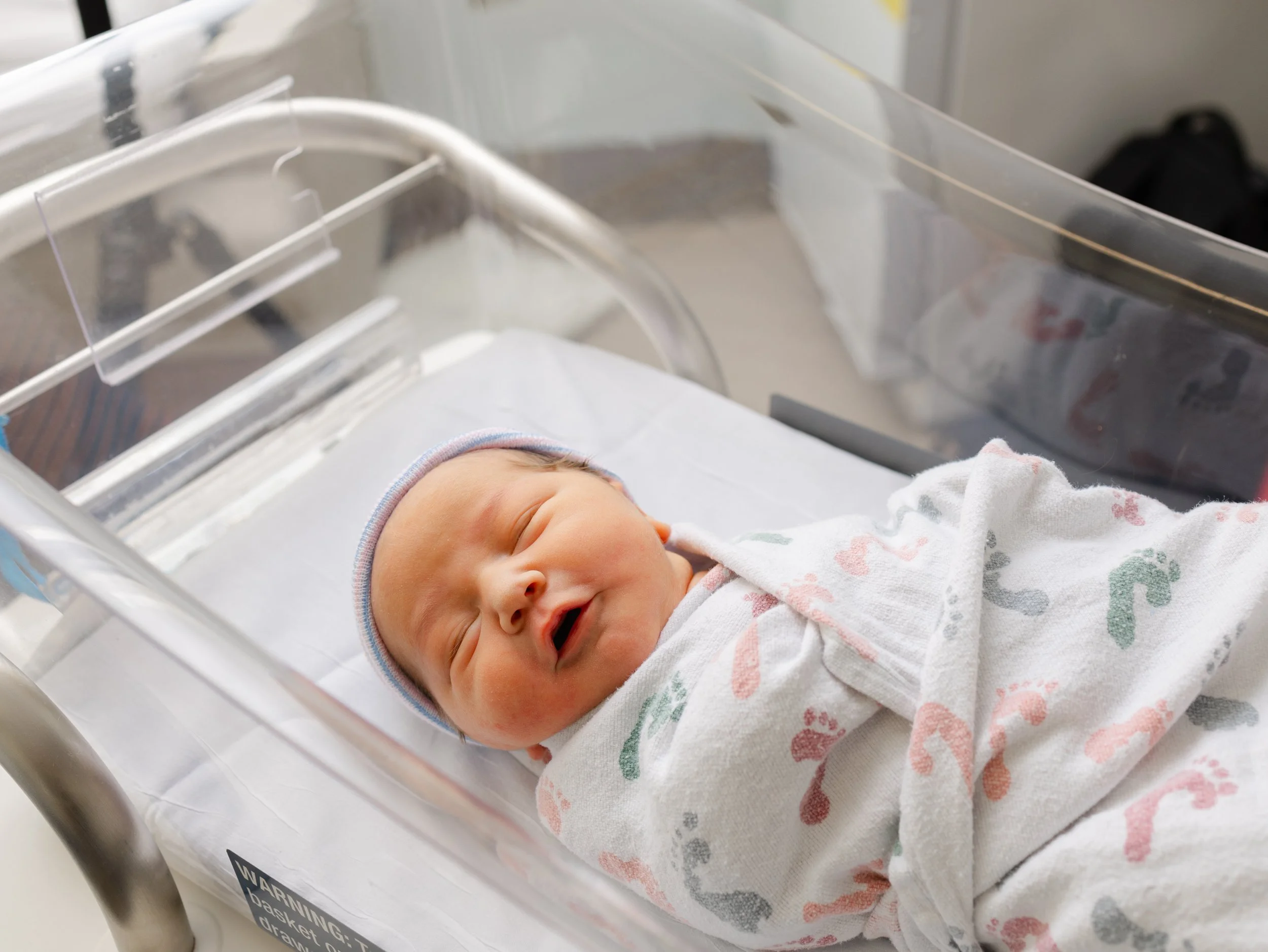
What Is a Fresh 48 Session?
A Fresh 48 session is a hospital or birthing center photo session that takes place within the first 24–48 hours after a baby’s birth.
The goal is to:
Capture the baby while they are brand new
Document the first family moments
Provide professional portraits without requiring parents to leave the hospital
Fresh 48 sessions fill a gap between birth photography and traditional newborn studio sessions.
For some families, this may be the only professional photography they choose.
For others, it strengthens your relationship before their newborn session.
Either way, it’s both emotionally meaningful and a smart business addition.
What Equipment Do You Need for a Fresh 48 Session?
Hospital rooms are small and unpredictable.
I bring:
Westcott FJ200 strobe
Westcott FJ80 flash
Universal trigger
45” convertible umbrella with diffusion
Lightweight stand
Camera + meter
A mask (always)
Everything fits in one bag.
The key is not complexity.
It’s flexibility.
If you can light confidently with one strobe and one modifier, you can photograph almost any hospital room.
(If you would like my complete equipment list, grab it here)
Fresh 48 Lighting Case Study: A Real Hospital Session
Let me walk you through exactly how I lit one Fresh 48 session from start to finish.
The Space
Very small room
One east-facing window
Cot blocking access to window
Hospital equipment taking up space
Baby in bassinet against the wall
Only 3–4 feet of working room
Natural light was technically present.
But practically unusable.
So I created my own.
How to Light a Baby in a Hospital Bassinet
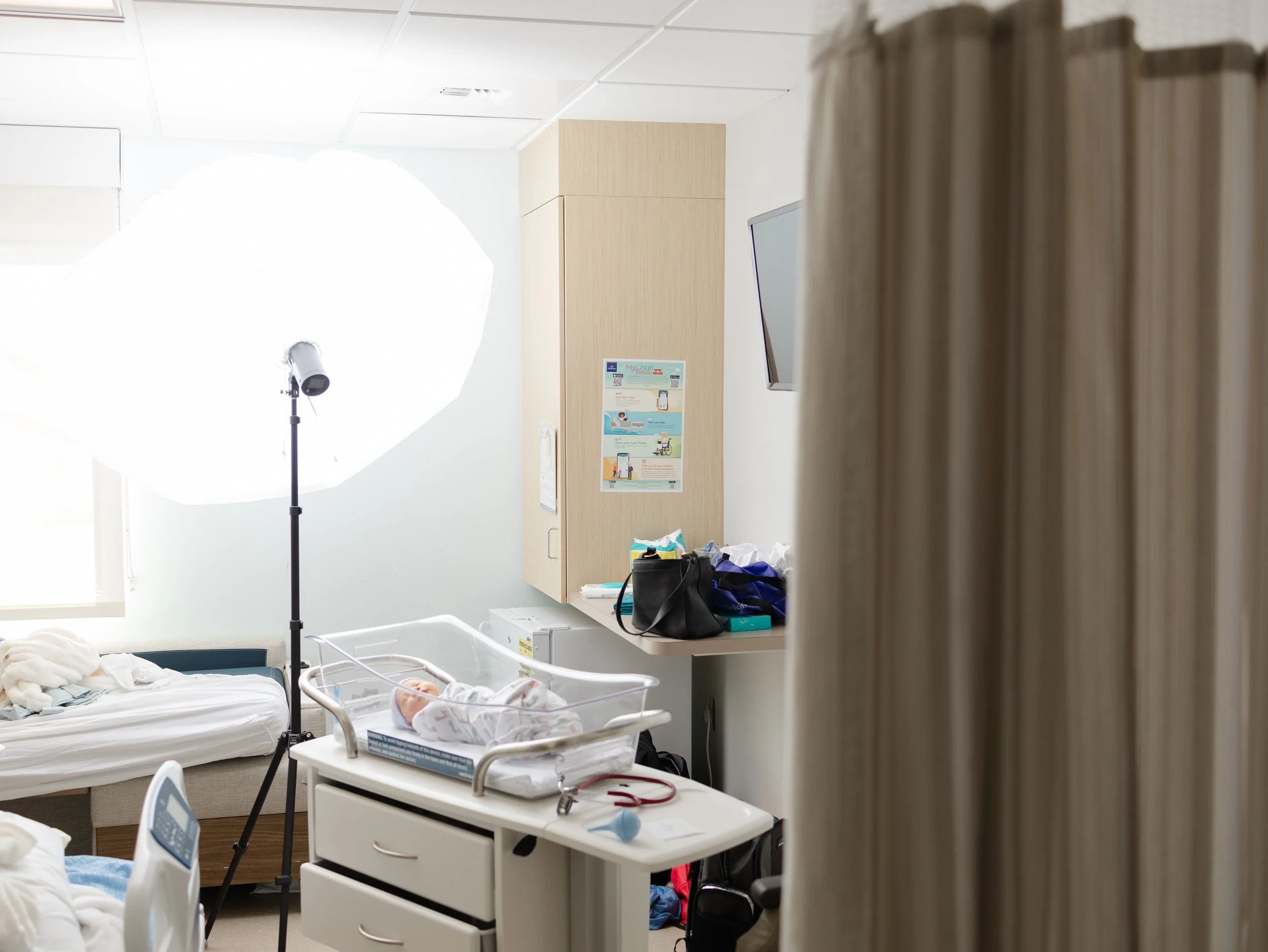
Because I couldn’t position the bassinet near the window, I:
Placed my strobe on the window side
Used a 45” umbrella with diffusion
Positioned the light 90 degrees to the bassinet
Created a Butterfly Light pattern
Here’s the key: Because the bassinet was on wheels, I rotated the bassinet instead of moving my light.
This allowed me to:
Create multiple lighting patterns
Maintain consistent exposure
Avoid re-metering every time
When your light-to-subject distance stays the same, your exposure doesn’t change.
That’s efficiency.
Best Lighting Patterns for Fresh 48 Photography
1. Butterfly Light (Paramount Light)
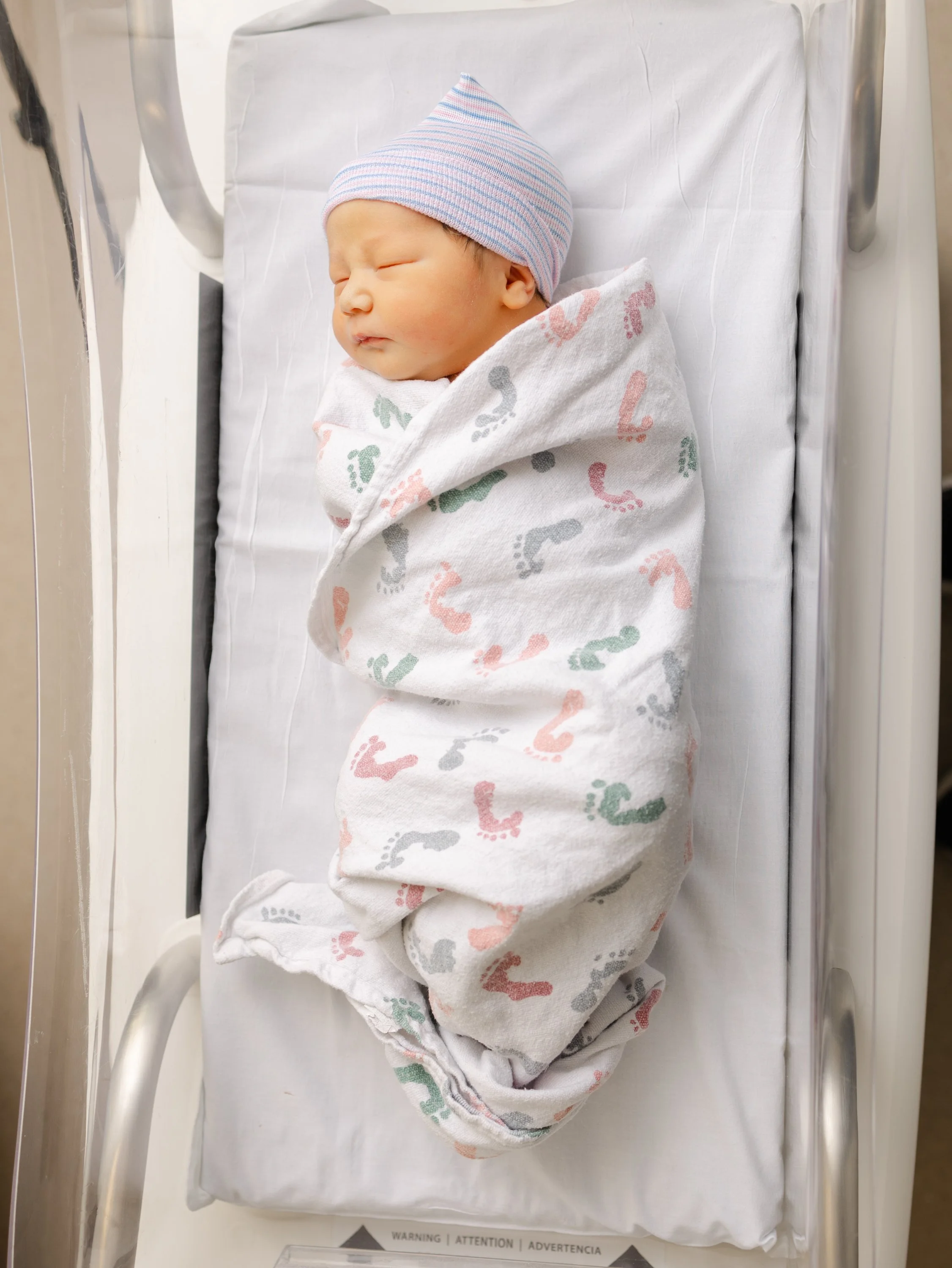
Created by placing light above the baby’s head, creating a soft shadow under the nose.
Why it works:
Flattering for newborn features
Soft and dimensional
Clean and timeless
I used this for the majority of the session.
2. Split Light
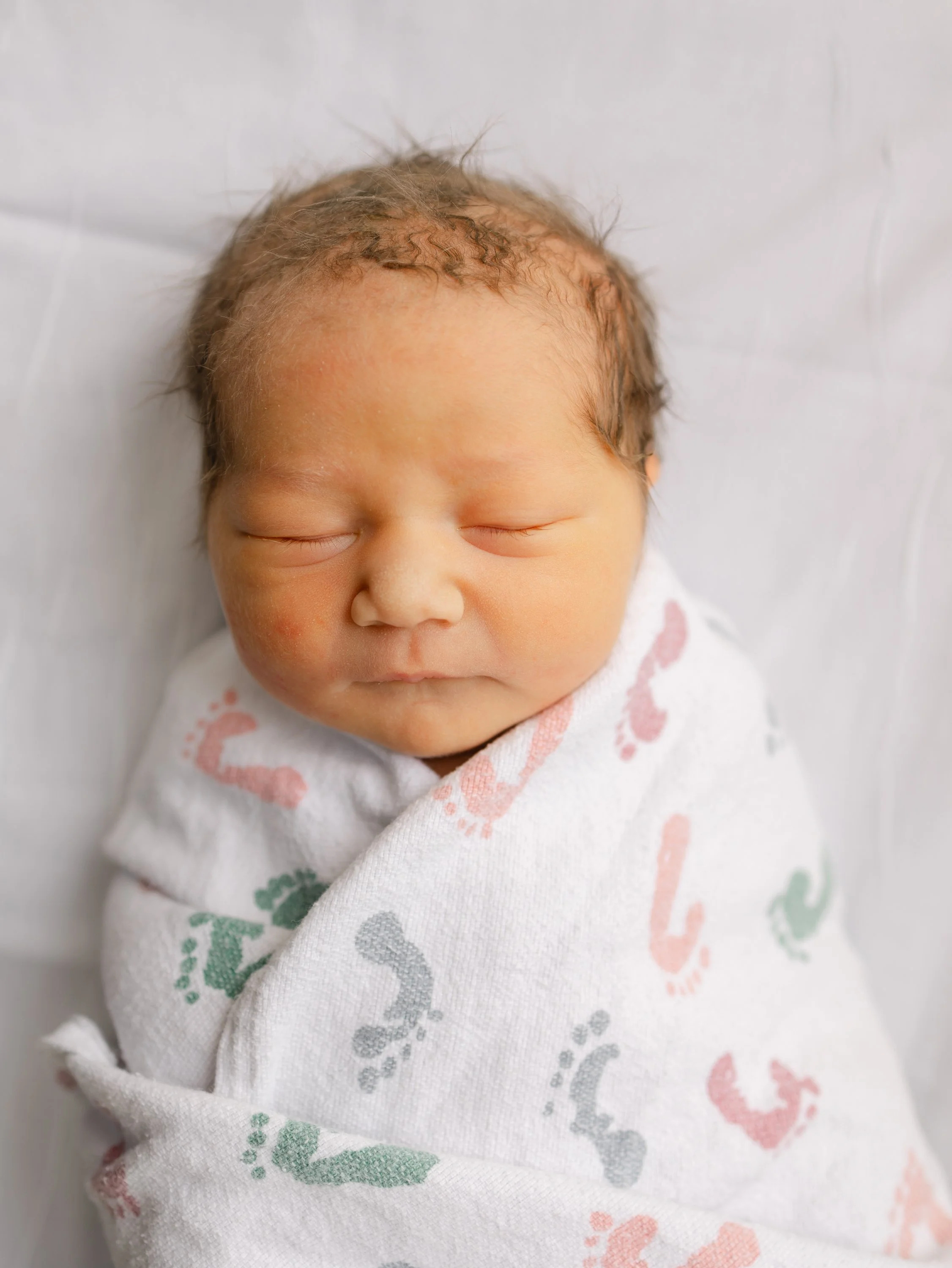
Created by rotating the bassinet so the baby is lit from the side.
Why I used it:
Added depth
Increased gallery variety
Introduced subtle contrast
I rarely use split light for newborns in the studio, but in this tight hospital setting, it created beautiful variation.
3. Backlight
By positioning the light behind the baby, I highlighted:

Tiny toes
Delicate details
Textures
Backlight isn’t common in my studio newborn sessions, but it worked beautifully in this space.
What About Photos with Parents?
When I arrived, both parents were exhausted and unsure about being photographed.
I respected that.
After finishing baby portraits, I checked in again.
They decided they wanted a few images.
How I Lit Mom + Baby
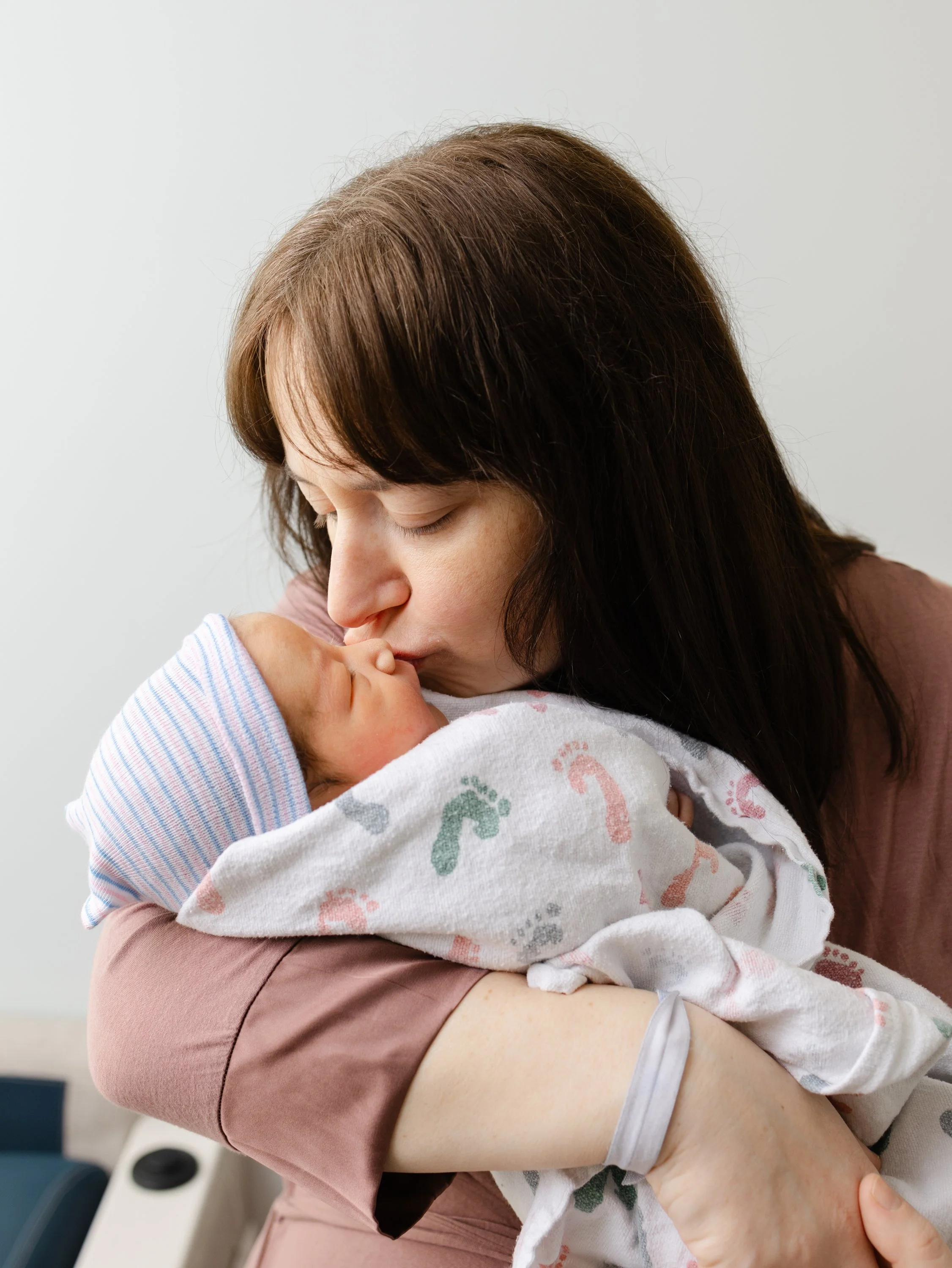
The room was too small to use the bed comfortably.
So I:
Moved the bassinet
Positioned mom against a blank wall
Used the east-facing window as inspiration
Placed my strobe on the window side
Turned it 45 degrees to create Loop Light
I mimicked natural light — but controlled it.
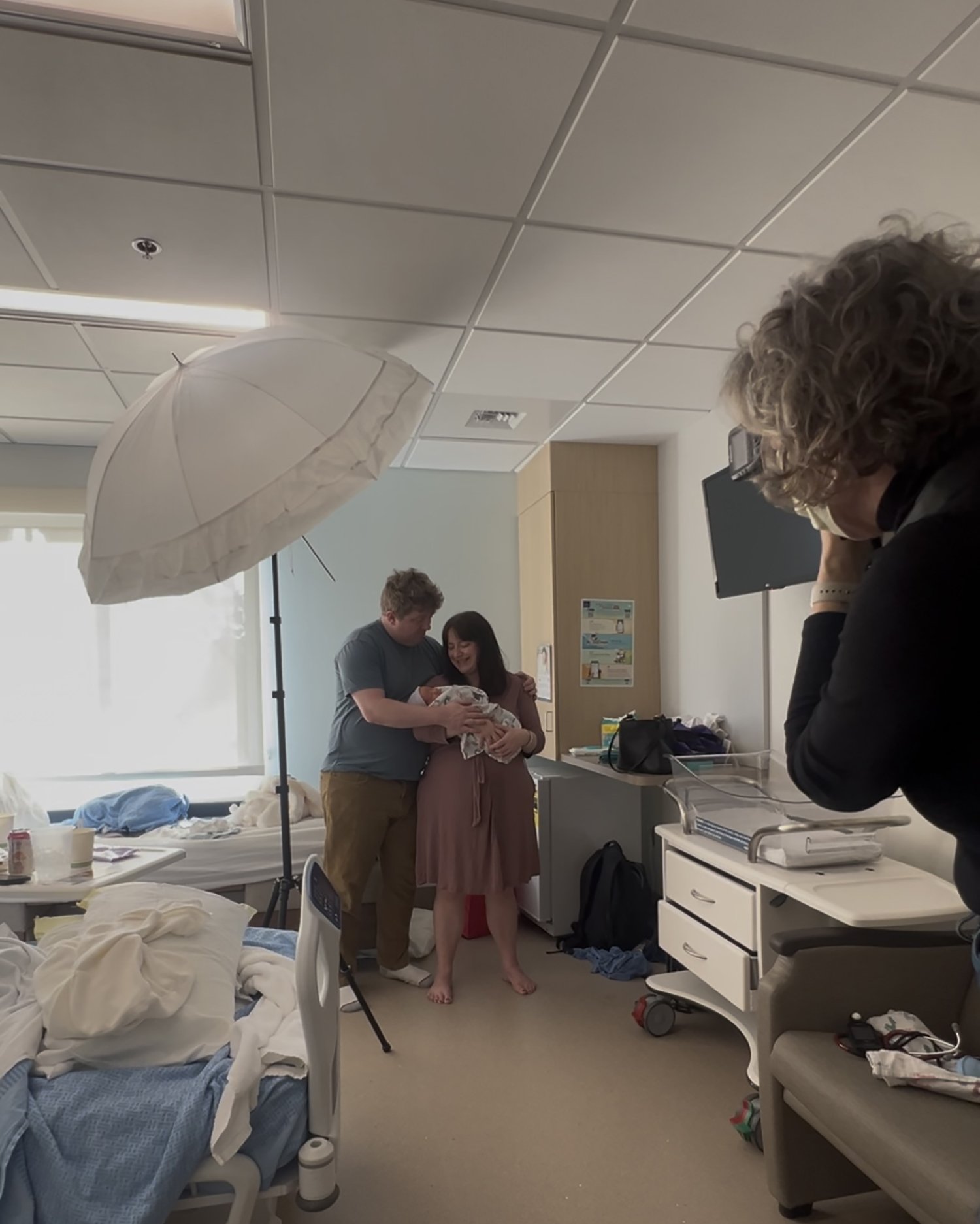
When Dad joined:
I did not move the light
I did not change settings
Predictable systems remove stress.
Avoiding “Ghoul Light” with Newborns
When photographing Dad holding the baby, he instinctively held him so the baby’s feet pointed toward the light.
That would have created upward shadows on the baby’s face — also known as “Ghoul Light.”
Because I follow a consistent session flow, I wasn’t distracted.
I noticed it immediately.
I simply asked Dad to switch arms so the baby’s head faced the light.
Small correction.
Huge difference.
Systems create awareness.
How Long Does a Fresh 48 Session Take?
This entire session took about one hour.
That included:
Setup
Visiting
A nurse interruption
Full gallery creation
Lighting did not slow the session down.
It made it reliable.
Fresh 48 Photography Cheat Sheet
If you want to start offering hospital newborn sessions, here’s what matters most:
1. Pack Light
One strobe. One modifier. One trigger.
Hospital rooms are tight. Keep it simple.
2. Prepare Clients in Advance
Remind them:
They don’t need to be camera-ready
You respect their boundaries
Their job is to rest and bond
Wear a mask. Wash your hands. Keep posing minimal.
3. Stick to a Predictable Flow
Start with:
Baby alone
Baby + mom
Baby + both parents
Baby + dad
A consistent routine keeps you calm.
4. Don’t Rely on Natural Light
Hospital windows are often blocked, harsh, or insufficient.
Set up your light on the window side to mimic daylight — but control it.
5. Focus on Connection Over Perfection
Fresh 48 sessions aren’t about elaborate posing.
They’re about:
Tiny fingers
Exhausted smiles
First family moments
Let storytelling lead.
Do You Need Flash for Fresh 48 Photography?
Technically? No.
Practically? Yes — if you want:
Clean skin tones
Consistent exposure
Flattering light in small spaces
Shorter, stress-free sessions
Natural light is beautiful. But it isn’t always reliable! And that is why knowing how to create your own natural looking light with strobes and flash is so helpful!
The Bigger Lesson
Fresh 48 sessions aren’t just about photographing a newborn in a hospital room.
They’re about walking into an unpredictable space with:
A simple lighting kit
A repeatable posing flow
A calm, adaptable mindset
When you have a system, you don’t panic.
You adjust.
That’s what I teach inside Lighting on Location: Off-Camera Flash for In-Home Photographers- how to confidently use one light in small, unpredictable spaces like client homes and hospital rooms.
And if you’re ready to go deeper — to fully implement predictable lighting, posing, and business systems — that’s the work we do inside of my Certification program.